wolfyy’s Colombia gay guide to Bogotá & Medellín — Explore hotels, gay bars, things to do, & more.
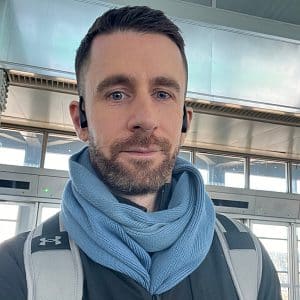
This guide was created for wolfyy by guest author Mike Zimmerman
The Gay Travel Experience: Bogotá & Medellín, Colombia
With delicious food, some of the country’s best bars, cultural landmarks, and a vibrant queer nightlife, Bogotá and Medellín are both hotspots with a lot to offer gay travelers in Colombia.
Having spent five days in Bogotá and three days in Medellín, I loved the contrasting atmospheres of these cities. Without much pre-booking or any reservations, I filled my days with hikes, museums, local eats, cable cars, and a ton of dancing!
I was initially worried about visiting Bogotá when I looked at the weather forecast, and I packed a bunch of rain gear I never used. Yes—it does rain there, but only once per day in the afternoon, so it was easy to plan around and avoid.
Nightlife in Bogotá is generally mixed but very queer-friendly, with a more local vibe. While weekends are lively and packed, weekdays tend to be quieter—except Thursdays, when Theatron, the city’s largest nightclub, opens its doors (and it’s definitely worth planning for).
In contrast, Medellín has a more vibrant and exclusively gay nightlife in a tropical hotspot lush with green corridors. It also has a hugely accessible and useful metro system, so I highly recommend buying a pass, but you will need cash to do this.
If you only get one weekend in Colombia, I recommend spending it in Medellín. You’ll have more nightlife, restaurant, and event options.
In this guide, I’ll cover areas to stay, bars, clubs, restaurants, and things to do in both Bogotá and Medellín.
Gay Bogotá: Hotels & Where to Stay
The city of Bogotá has several distinct zones, each with its own style, architecture, and feel. There’s a large range of places to stay, from four-star hotels with rooftop pools to cozy apartment rentals.
I recommend finding a spot that suits you in Chapinero. I enjoyed my stay in a small apartment there, which was conveniently located and very affordable. There are plenty of nearby churches, theaters, parks, cafes, and restaurants to explore.
Chapinero is also walkable to most nightlife in Bogotá, which will minimize the amount of walking you’d need to do after dark.
La Candelaria is another neighborhood I recommend for LGBT travelers. It’s closer to the cultural sights, like the Gold Museum, and the Spanish colonial parts of Bogotá.
Overall, I thought La Candelaria felt less homey than Chapinero, but it’s still a perfectly good area to stay, especially for more affordable accommodations.
Four Seasons Hotel Bogotá is in a beautiful and historic building that boasts luxury accommodations with a pool, speakeasy, and tons of entertainment right on sight.
I found the hotel well worth visiting for the gorgeous history, art, and outdoor space. The staff was nice enough to let me wander around for a bit, and I left enamored with the building.
Rooms range from deluxe singles to spacious suites. There’s even a penthouse, with a full apartment, fireplace, private terrace, and more.
An exclusively gay hotel, Hotel San Sebastian, is a super affordable boutique option that has a bar, restaurant, and sauna. It’s located a bit further from the quiet of Chapinero, though.
The unique and LGBTQ-friendly Graffiti Hostel, also called Fatima Hostel, really lives up to its name. It’s a great option for solo travelers, street art lovers, or anyone interested in making friends with other travelers. You can also stop by just to see its murals, like I did.
Bogotá Gay Travel Experiences
Ride the Funicular to Monserrate
Atop the peak of Monserrate is a gorgeous monastery, where you can experience history, religion, nature, and street food all in one spot. I highly recommend a visit.
Booking a ticket on the funicular in advance isn’t necessary. My taxi driver said the best time to go was around 3 pm to catch the sunset—unless you’re interested in bird watching (in which case, head out early)!
It does get colder at the top of the mountain, so bring a windbreaker or an extra layer. Getting to the funicular station is best by ride-share app.
Local Hikes & City Tours
Whether you prefer urban exploration or wandering through nature, Bogotá has plenty of options. The GPSmyCity site offers a bunch of free self-guided walking tours to see Bogotá’s major sites in each neighborhood.
The hikes around Monserrate were also well-worth doing. Just be sure to wear a good pair of walking shoes!
I registered for a bike through the Tembici app, which I used to get around Parque Central and Quebrada La Veija. Quebrada La Veija isn’t open after dark, so time your visit for the morning or early afternoon.
Whenever you find yourself walking around Capinero, I recommend indulging in Colombia’s national drinking game: Tejo! Gunpowder, clay disks, and beer–it’s great fun.
Head to the Museum of Gold
The Museum of Gold in Bogotá has a Pre-Colombian collection that narrates the story of the first people to live in Colombia. If you love the ancient world and are interested in experiencing a shaman ritual, this is a wonderful chance to learn while still being on vacation in a beautiful country.
There are opportunities to learn about the cosmos, myths and legends, and even the process of transforming gold into beautiful and usable artifacts. There’s also a little market around the corner to buy some local artisan goods and snacks, and tons of cafes in the neighborhood.
Grab Drinks at Huerta Cocteleria Artesanal
The award-winning Huerta Cocteleria Artesanal is an LGBT friendly cocktail bar in the Chapinero neighborhood with a unique, lush interior.
The service was super friendly, and the drinks were delicious—and strong—though the highlight by far was their unique presentation, in carrot shaped glasses or elegantly carved apples. The ingredients in many of their cocktails can’t be found anywhere else!
Bogotá Gay Nightlife
Most of the nightlife in Bogotá is connected to Theatron, the largest club in Latin America. Split into thirteen rooms, each with a different musical and interior style, this venue is a must see on a Saturday night.
Rooms range from a punk Berlin pub to a stadium with bleachers. I spent time in each of them but found the rooftop to be one of the most unique spots, with great music and energy.
Video Club is a smaller industrial club, popular with locals for dancing. Different nights have different themes, and they do feature LGBTQ nights. There are winding staircases, neon lights, and a vibrant bar to relax at when your feet get tired.
Of the other gay nightlife spots I tried during my visit, Punto 59 was a lovely little watering hole, but Leos Bar Mística LGBTQ honestly wasn’t worth the cover because it was packed with tables and empty, even on a Saturday night.
Gay Medellín: Hotels & Where to Stay
For the best overall experience, I recommend searching for affordable accommodations in the upscale El Poblado neighborhood.
I enjoyed staying at the reasonably-priced Sites Hotel, which had a lovely pool and gym on the roof. There are many other boutique hotel options though—even an exclusively gay one: Hotel Roma, which seems worth checking out!
More Medellín Hotels I Recommend
Below are a few highly-rated, affordable, and conveniently located hotel options I recommend for LGBT travelers exploring Medellín.
Landmark Hotel
Rango Hostel Boutique
Refugio del Jaguar
Golden Valley Hotel
Medellín Gay Travel Experiences
Ride the Cable Car Santo Domingo
Part of the city’s transit system, Medellín’s cable cars will take you on a beautiful journey up the mountains that surround the city.
Although you’ll likely be with a group on the way up, the way down empties out, giving you a chance for some romance and gorgeous views to yourself–or you and a friend.
Dine out in Medellín
Medellín is quickly becoming a global foodie hotspot, and there’s a range of options for a range of tastes.
La Revuelta is a lovely LGBT-welcoming Mexican restaurant that offers a fun mix of fusion and traditional food and drink, The menu included crunchy shrimp tacos, Asian dumplings with traditional Colombian fillings, horchata, and delicious Agua fresca.
I ate at Al Alma Café Restaurante, a cute local spot, for lunch on my last day. The café had lighter fare, with fresh salad, chicken and rice, or pasta. The meal even came with coffee and a mimosa.
Alambique is another unique place to dine, with an affordable tasting menu and an amazing and swanky space. Note though, you’ll definitely need a reservation!
Tour the Medellín Castle
The opulent Medellín Castle has verdant gardens and rich history well-worth exploring. There’s unique art and architecture here that can’t be seen anywhere else. Tours are also offered, which was a lovely way to meet some locals and other tourists.
Medellín Gay Bars & Clubs
Most of the gay nightlife in Medellín is conveniently located in El Poblado. And let me tell you—it’s outrageous!
The most memorable piece of Medellín’s nightlife was how rowdy and fun-loving the crowds got, with almost everyone up, dancing, and mingling the night away.
Because of Medellín’s tropical climate, the bars have outdoor spaces to relax and indoor spaces to dance. The dance floor gets sweaty, so expect to peel off your shirt along with everyone else.
Bar Chiquita was by far my favorite gay bar in Medellín. This no-frills venue was a fun mix of locals and visitors where you can fit right in.
They have a sexy leopard print wall, a big open dance floor, entertaining drag performances, and welcoming staff. There’s an outdoor terrace and an upstairs area, too.
Viva Auditorium was another large gay dance club I tried out. They play a mix of reggaeton and electronic music with a swarming main dance area. After visiting Theatron though, I needed a break from big clubs and found myself more drawn to the smaller Bar Chiquita.
Colombia Gay Travel Tips
Don’t Skip Medellín!
If you’re weighing options with your itinerary, remember that reaching Medellín from Bogotá by plane takes less than an hour total.
I highly recommend booking a cheap domestic flight and not skipping Medellín. I stayed for three days before returning to Bogotá for my flight home. This felt like the right amount of time for me, but with such a short flight, an even shorter jaunt to Medellín is doable!
Safety & Crime in Colombia
Although some places in Colombia may have a reputation for being on the dangerous side, I never felt unsafe, even a night. A few local grocery stores (and even my Airbnb) had armed guards, and there are many patrolling the busiest streets at night, but they never really felt necessary.
There’s Not Much of a Language Barrier
While Colombia’s younger population speaks English more often than Spanish, I managed with my transactional Spanish in most places.
The biggest issue I had was getting my passport number wrong on my national flight between Bogotá and Medellín—but the airport attendants helped me figure this out right away!
Colombia LGBT Rights
Colombia has made impressive progress in LGBTQ+ rights over the past two decades, now standing as one of Latin America’s most progressive nations.
Same-sex sexual activity was decriminalized back in 1981, but the real turning point came in the 2010s. In 2016, Colombia became the fourth country in Latin America to legalize same-sex marriage—a milestone for the region!
Anti-discrimination laws in Colombia protect individuals based on sexual orientation and gender identity in employment, education, and public accommodations. LGBTQ+ couples also have the right to adopt children, which is still quite rare in much of the world.
Colombia isn’t without its challenges, though. In rural areas or conservative pockets of society, LGBTQ+ people can still face stigma or discrimination. But in the big cities—especially Bogotá, Medellín, and Cartagena—you’ll find vibrant queer communities and a visible culture of acceptance.
Catholicism is still deeply rooted in Colombian society, but the legal system has taken a more secular approach when it comes to human rights, which has been a huge win for the LGBTQ+ population.
This guide was created for wolfyy by Mike Zimmerman
Mike Zimmerman is a writer and teacher living in Brooklyn. His work has been published in Cutbank, A & U Magazine, Florida Review, Typehouse Literary Magazine, and Zingara Poetry Review, and various anthologies. He’s adventurous and curious, and he loves to set out on foot or on a bike to explore. He’ll try anything once!